
GUITAR PROGRESS ASSESSMENT
NOT SURE WHAT YOU SHOULD BE WORKING ON NEXT?
Get a clearer understanding of where you are as a player, what you may be missing, and what to focus on next so you can build a more effective path forward with your playing.
• 60-minute online assessment with Matt Friedland
• Currently complimentary • Application required
If you've spent years learning songs, scales, theory, licks, techniques, or watching lessons online, the problem may not be that you need more information.
You may simply need a clearer understanding of what actually deserves your attention now.
The Guitar Progress Assessment is a 60-minute online session with Matt Friedland designed to help you step outside your own playing, identify priorities you may not be seeing, and create a more intentional path forward.
THE CORE PROBLEM
You've learned a lot.
But do you know what
will actually move
your playing forward?
Most guitar players don't struggle because there isn't enough information available.
The opposite is usually true.
There are more lessons, courses, tabs, exercises, licks, scales, theory concepts and practice ideas available than anyone could possibly use.
The difficult part is knowing:
What matters
for you right now?
You may already know a lot. You may be able to play songs, scales, chords, solos or even improvise.
But that doesn't necessarily tell you:
• which part of your playing is limiting everything else
• whether you're practicing the right things
• whether those things are actually improving
• or what deserves your attention next
That's where an outside perspective
can make a major difference.
THE CORE PROBLEM
You've learned a lot.
But do you know what will actually move your playing forward?
Most guitar players don't struggle because there isn't enough information available.
The opposite is usually true.
There are more lessons, courses, tabs, exercises, licks, scales, theory concepts and practice ideas available than anyone could possibly use.
The difficult part is knowing:
What matters for you
right now?
You may already know a lot. You may be able to play songs, scales, chords, solos or even improvise.
But that doesn't necessarily tell you:
• which part of your playing is limiting everything else
• whether you're practicing the right things
• whether those things are actually improving
• or what deserves your attention next
That's where an outside perspective can make a
major difference.
Sometimes you need
another musician
to hear what you
can't see yourself
It's difficult to objectively diagnose your own playing.
You only know what you know.
That means the thing you believe is holding you back may not actually be
the thing that deserves the most attention.
For example, someone may think they need:
more scales
more theory
more licks
better technique
more songs
or more practice time
But the real issue could be something less obvious:
rhythmic consistency
phrasing
time feel
listening
fretboard awareness
the ability to connect ideas
how they structure their practice
or whether what they're practicing actually transfers into real music
That's one of the primary purposes of the Guitar Progress Assessment:
to help you see your playing from a perspective
you can't easily get on your own.
WHAT YOU'LL WALK AWAY WITH
The Goal Isn't
To Give You More
Things To Practice.
It's To Help You Understand What Actually Deserves Your Attention.
During the assessment, we'll work toward giving you clarity in four areas.
01
Where You Are Right Now
We'll look at your playing in the context of what you're actually trying to accomplish.
The goal isn't to label you "beginner," "intermediate," or "advanced."
It's to understand your strengths, your current abilities, and the areas that may be limiting your next stage of development.
02
What You May Be Missing
Sometimes the biggest breakthrough comes from recognizing something you weren't thinking about.
We'll look for the musical or practice-related areas that may be creating the biggest gap between how you currently play and how you want to play.
03
How To Practice And Measure Progress More Effectively
Practice becomes much more useful when you can define what you're trying to improve and measure whether it's actually changing.
We'll discuss ways to turn vague goals into clearer targets and use repetition intentionally so you can see and feel whether you're making progress.
04
A Practical Path Forward
You'll leave with a clearer understanding of what deserves your attention next and how those priorities connect to the musician you're trying to become.
The goal is not to give you twenty new things to work on.
It's to help you identify the few things that matter most.
WHAT YOU'LL WALK AWAY WITH
The Goal Isn't To Give
You More Things To Practice.
It's To Help You Understand What Actually Deserves Your Attention.
During the assessment, we'll work toward giving you clarity in four areas.
01
Where You Are
Right Now
We'll look at your playing in the context of what you're actually trying to accomplish.
The goal isn't to label you "beginner," "intermediate," or "advanced."
It's to understand your strengths, your current abilities, and the areas that may be limiting your next stage of development.
02
What You
May Be Missing
Sometimes the biggest breakthrough comes from recognizing something you weren't thinking about.
We'll look for the musical or practice-related areas that may be creating the biggest gap between how you currently play and how you want to play.
03
How To Practice And Measure Progress More Effectively
Practice becomes much more useful when you can define what you're trying to improve and measure whether it's actually changing.
We'll discuss ways to turn vague goals into clearer targets and use repetition intentionally so you can see and feel whether you're making progress.
04
A Practical Path Forward
You'll leave with a clearer understanding of what deserves your attention next and how those priorities connect to the musician you're trying to become.
The goal is not to give you twenty new things to work on.
It's to help you identify the few things that matter most.
What Happens
When You Stop
Trying To Figure
Everything Out
On Your Own?
"I've gotten better in the last 2 years I've been with Matt than the previous 20 plus years I've spent with other teachers and studying on my own."
— Mark D.
He already had substantial guitar experience and had played in a band, but wanted to become a better improviser and struggled to find an approach that worked for him.
"Working with an expert like Matt has saved me a lot of time and energy trying to figure things out on my own."
— Scott G.
He had been playing for years, practiced extensively, felt plateaued and wanted someone to help him understand what he was doing so he could take his playing to the next level.
What Happens When You Stop Trying To Figure Everything Out On Your Own?
"I've gotten better in the last 2 years I've been with Matt than the previous 20 plus years I've spent with other teachers and studying on my own."
— Mark D.
He already had substantial guitar experience and had played in a band, but wanted to become a better improviser and struggled to find an approach that worked for him.
"Working with an expert like Matt has saved me a lot of time and energy trying to figure things out on my own."
— Scott G.
He had been playing for years, practiced extensively, felt plateaued and wanted someone to help him understand what he was doing so he could take his playing to the next level.
DIFFERENTIATION / PHILOSOPHY
You Probably Don't Need Another Guitar Course Telling You What To Learn.
YouTube videos, courses, tabs, books and memberships can all be useful.
But they have one fundamental limitation:
They can't listen
to you play.
They don't know:
• what you already do well
• what you're overlooking
• what habits you've developed
• how you actually sound
• what happens when you improvise
• how you interact with a groove
• or which skill would have the biggest impact on everything else
That's why this assessment begins with you,
not a predetermined curriculum.
DIFFERENTIATION / PHILOSOPHY
You Probably Don't Need Another Guitar Course Telling You What To Learn.
YouTube videos, courses, tabs, books and memberships can all be useful.
But they have one fundamental limitation:
They can't listen to you play.
They don't know:
• what you already do well
• what you're overlooking
• what habits you've developed
• how you actually sound
• what happens when you improvise
• how you interact with a groove
• or which skill would have the biggest impact on everything else
That's why this assessment begins with you, not a predetermined curriculum.
RHYTHM / MUSICIANSHIP PHILOSOPHY
Becoming A Better Guitar Player Isn't Always About Learning More Guitar
One of the biggest ideas behind 360 Music System is that musical freedom
doesn't come simply from accumulating more guitar information.
The musicians who feel great to play with tend to have something deeper.
• They understand time.
• They feel rhythm.
• They listen.
• They react.
• They leave space.
• They know how to support the music and when to step forward.
And when they improvise, their ideas don't simply fit over the chords. They feel connected to what's happening around them.
That's why Matt often approaches guitar development from a broader musicianship perspective.
Sometimes the missing piece isn't another guitar concept.
Sometimes it's learning to think more like a drummer, listen more like an ensemble musician, and understand how rhythm actually drives the musical experience.
The larger goal is to help
you become a better musician,
not just a more knowledgeable guitar player.
RHYTHM / MUSICIANSHIP PHILOSOPHY
Becoming A Better Guitar Player Isn't Always About Learning More Guitar
One of the biggest ideas behind 360 Music System is that musical freedom
doesn't come simply from accumulating more guitar information.
The musicians who feel great to play with tend to have something deeper.
• They understand time.
• They feel rhythm.
• They listen.
• They react.
• They leave space.
• They know how to support the music and when to step forward.
And when they improvise, their ideas don't simply fit over the chords. They feel connected to what's happening around them.
That's why Matt often approaches guitar development from a broader musicianship perspective.
Sometimes the missing piece isn't another guitar concept.
Sometimes it's learning to think more like a drummer, listen more like an ensemble musician, and understand how rhythm actually drives the musical experience.
The larger goal is to help
you become a better musician, not just a more knowledgeable guitar player.
Learning To Listen, Leave Space, And Play As A Musician
Paul shares how working in a collaborative musical environment helped him improve his timing, rhythm, listening skills and overall musicianship.
Better musicianship isn't just about learning more things on guitar.
It's about learning how to listen, respond, create space and make what you already know work in real music.
WHAT THE ASSESSMENT ACTUALLY LOOKS LIKE
This Isn't An Audition.
You don't need to prepare an impressive performance.
The purpose is for Matt to understand how you currently play.
Depending on your goals,
you may be asked to play things such as:
01 improvising over a progression
02 rhythm guitar
03 a song or progression you're comfortable with
04 scales or fretboard material
05 or other examples relevant to what you're trying to improve
We'll also discuss:
01 your musical background
02 what you've been practicing
03 what you want to be able to do
04 where you feel frustrated or uncertain
05 what has and hasn't worked for you
06 and what you ultimately want music to become in your life
From there, Matt can help identify
the areas that deserve the most attention.
WHAT THE ASSESSMENT
ACTUALLY LOOKS LIKE
This Isn't An Audition.
You don't need to prepare an impressive performance.
The purpose is for Matt to understand how you currently play.
Depending on your goals,
you may be asked to play things such as:
01 improvising over a progression
02 rhythm guitar
03 a song or progression you're comfortable with
04 scales or fretboard material
05 or other examples relevant to what you're trying to improve
We'll also discuss:
01 your musical background
02 what you've been practicing
03 what you want to be able to do
04 where you feel frustrated or uncertain
05 what has and hasn't worked for you
06 and what you ultimately want music to become in your life
From there, Matt can help identify the areas that deserve the most attention.
HOW THE PROCESS WORKS
01
APPLY
Complete the short application so Matt can learn about your background, musical interests, goals and current challenges.
02
MATT REVIEWS YOUR APPLICATION
This isn't an automated booking funnel where everyone immediately gets access to Matt's calendar.
Matt personally reviews applications to determine whether the assessment is likely to be useful for both sides.
03
SCHEDULE YOUR ASSESSMENT
If it looks like a good fit, you'll receive a private link to schedule your 60-minute Zoom assessment.
04
PLAY, TALK AND DIAGNOSE
You'll discuss your goals and background and Matt will listen to you play so you can identify strengths, gaps and priorities.
05
LEAVE WITH A CLEARER PATH
The goal is for you to leave understanding:
where you are
→
what you may be missing
→
what deserves your attention next
→
how to move forward
If Matt believes 360 Music System could help you implement that path, he'll explain what working together could look like.
If not, the insights from the assessment should still give you greater clarity about your playing.
HOW THE
PROCESS WORKS
01
APPLY
Complete the short application so Matt can learn about your background, musical interests, goals and current challenges.
02
MATT REVIEWS YOUR APPLICATION
This isn't an automated booking funnel where everyone immediately gets access to Matt's calendar.
Matt personally reviews applications to determine whether the assessment is likely to be useful for both sides.
03
SCHEDULE YOUR ASSESSMENT
If it looks like a good fit, you'll receive a private link to schedule your 60-minute Zoom assessment.
04
PLAY, TALK AND DIAGNOSE
You'll discuss your goals and background and Matt will listen to you play so you can identify strengths, gaps and priorities.
05
LEAVE WITH A CLEARER PATH
The goal is for you to leave understanding:
where you are
what you may be missing
what deserves your attention next
how to move forward
If Matt believes 360 Music System could help you implement that path, he'll explain what working together could look like.
If not, the insights from the assessment should still give you greater clarity about your playing.
WHO THIS IS FOR
The Guitar Progress
Assessment
May Be
A Good Fit If
A GOOD FIT IF
You already know how to play guitar but aren't sure what deserves your attention next.
You've learned from lessons, YouTube, courses, books or your own experimentation but still feel like pieces aren't connecting.
You want to become a stronger improviser.
You care about rhythm, groove, feel, phrasing and musical expression.
You want to become more comfortable playing with other musicians.
You want your practice time to translate more clearly into your actual playing.
You're willing to practice and apply feedback.
You're serious enough about your development to invest in it when the right opportunity makes sense.
PROBABLY ISN'T FOR YOU IF
You're a complete beginner.
You're primarily looking for someone to teach you individual songs.
Your main goal is casual strumming and singing.
You're looking for free advice without an intention to seriously work on your playing.
You aren't interested in practicing.
You have no interest in interacting or playing music with other musicians.
The goal isn't to exclude people for the sake of exclusivity.
It's to make sure Matt spends these sessions with guitar players he is genuinely equipped to help.
WHO THIS IS FOR
The Guitar Progress Assessment May Be
A Good Fit If
A GOOD FIT IF
You already know how to play guitar but aren't sure what deserves your attention next.
You've learned from lessons, YouTube, courses, books or your own experimentation but still feel like pieces aren't connecting.
You want to become a stronger improviser.
You care about rhythm, groove, feel, phrasing and musical expression.
You want to become more comfortable playing with other musicians.
You want your practice time to translate more clearly into your actual playing.
You're willing to practice and apply feedback.
You're serious enough about your development to invest in it when the right opportunity makes sense.
PROBABLY ISN'T FOR YOU IF
You're a complete beginner.
You're primarily looking for someone to teach you individual songs.
Your main goal is casual strumming and singing.
You're looking for free advice without an intention to seriously work on your playing.
You aren't interested in practicing.
You have no interest in interacting or playing music with other musicians.
The goal isn't to exclude people for the sake of exclusivity.
It's to make sure Matt spends these sessions with guitar players he is genuinely equipped to help.
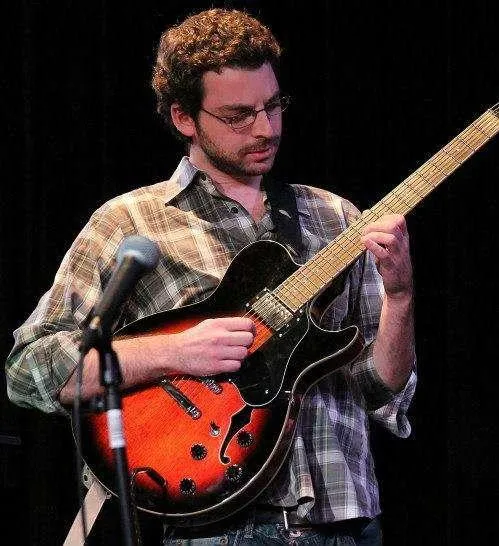
Meet Matt Friedland
Matt Friedland is a professional musician, educator and founder of 360 Music System and Music Lessons Arizona.
He holds a degree in Jazz Guitar Performance from Arizona State University and has taught musicians since 2007.
Matt's background extends beyond guitar.
As a guitarist, bassist, drummer and vocalist, he approaches musical development from the perspective of the entire musical conversation—not simply what happens on the fretboard.
His teaching emphasizes the skills
that allow musicians to actually use what they know:
rhythm
time
feel
improvisation
listening
interaction
musical awareness
effective practice
and real experience playing with other people
Matt's students have gone on to jam with other musicians, play in bands, perform regularly, collaborate, record and participate in live performance experiences.
The purpose of the Guitar Progress Assessment is to bring that same diagnostic approach to guitar players who may have learned a great deal but aren't sure what their playing needs next.
Meet
Matt Friedland
Matt Friedland is a professional musician, educator and founder of 360 Music System and Music Lessons Arizona.
He holds a degree in Jazz Guitar Performance from Arizona State University and has taught musicians since 2007.
Matt's background extends beyond guitar.
As a guitarist, bassist, drummer and vocalist, he approaches musical development from the perspective of the entire musical conversation—not simply what happens on the fretboard.
His teaching emphasizes the skills that allow musicians to actually use what they know:
rhythm
time
feel
improvisation
listening
interaction
musical awareness
effective practice
and real experience playing with other people
Matt's students have gone on to jam with other musicians, play in bands, perform regularly, collaborate, record and participate in live performance experiences.
The purpose of the Guitar Progress Assessment is to bring that same diagnostic approach to guitar players who may have learned a great deal but aren't sure what their playing needs next.
From practicing guitar
to making music
Ultimately, developing as a guitarist isn't just about accumulating
more songs, scales, chords, licks, or exercises.
It's about becoming a more capable musician, and being able to use
what you've learned in meaningful musical situations.
The musicians featured in this video are adult students I've worked with through my teaching programs and Performing Artist Program.
They came from different backgrounds and experience levels, but their development involved much more than simply learning more material.
They worked on their musicianship, learned and arranged songs, developed their improvisation and ensemble skills, collaborated with other musicians, and ultimately prepared to perform together on stage.
The goal wasn't perfection.
The goal was growth, confidence, connection, and becoming more capable musicians.
Your path doesn't have to look exactly like theirs.
You may want to jam with friends, play in a band, perform, record music, improvise more freely,
or simply feel like everything you've learned on guitar is finally starting to come together.
That's ultimately what this
assessment is designed to help us explore:
where you are now, what you may be missing,
and what your next stage of development could look like.
From practicing
guitar to
making music
Ultimately, developing as a guitarist isn't just about accumulating more songs, scales, chords, licks, or exercises.
It's about becoming a more capable musician, and being able to use what you've learned in meaningful musical situations.
The musicians featured in this video are adult students I've worked with through my teaching programs and Performing Artist Program.
They came from different backgrounds and experience levels, but their development involved much more than simply learning more material.
They worked on their musicianship, learned and arranged songs, developed their improvisation and ensemble skills, collaborated with other musicians, and ultimately prepared to perform together on stage.
The goal wasn't perfection.
The goal was growth, confidence, connection, and becoming more capable musicians.
Your path doesn't have to look exactly like theirs.
You may want to jam with friends, play in a band, perform, record music, improvise more freely,
or simply feel like everything you've learned on guitar is finally starting to come together.
That's ultimately what this assessment is designed to help us explore: where you are now, what you may be missing, and what your next stage of development could look like.
You Don't Need More
Random Things To
Practice.
YOU NEED TO KNOW WHAT MATTERS NEXT.
If you've already put meaningful time into guitar but aren't sure what will actually move your playing forward, apply for a Guitar Progress Assessment.
We'll look at where you are, what you may be missing and what deserves your attention next.
• 60-minute online assessment with Matt Friedland
• Currently complimentary • Application required
You Don't Need More Random Things To Practice.
YOU NEED TO KNOW WHAT MATTERS NEXT.
If you've already put meaningful time into guitar but aren't sure what will actually move your playing forward, apply for a Guitar Progress Assessment.
We'll look at where you are, what you may be missing and what deserves your attention next.
• 60-minute online assessment with Matt Friedland
• Currently complimentary • Application required

360 Music System
360 Music System
Phone: +1 855-239-4978
1700 E Elliot Rd suite 10 and 11
Tempe, AZ, 85284
© Copyright: 360 Music System,
2026. All Rights Reserved.
360 Music System
360 Music System
Phone: +1 855-239-4978
1700 E Elliot Rd suite 10 and 11
Tempe, AZ, 85284
© Copyright: 360 Music System,
2026. All Rights Reserved.